A dental implant incisor in Reno, NV replaces a missing front tooth with a titanium fixture, an abutment, and a lifelike crown to restore function and your smile. Front-tooth replacement matters for chewing, speech, and how you look — especially since incisors are central to your smile. This article explains what a dental implant incisor is, who needs one, the types of restorations, the procedure and timeline, esthetic and health factors, cost and aftercare, and how to book a consultation for a dental implant incisor in Reno, NV.
What Is a Dental Implant Incisor?
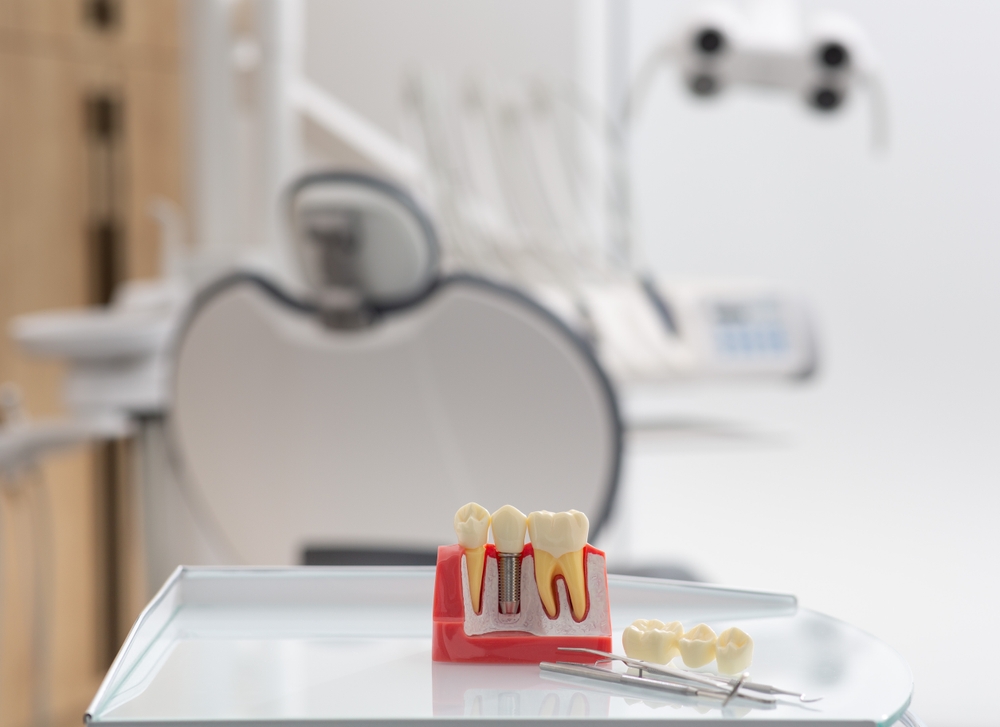
A dental implant incisor is an implant placed specifically to replace a front tooth. It uses three basic parts: the implant (fixture) placed in the jawbone, the abutment that connects the implant to the crown, and the crown that looks like the natural incisor. Because incisors are highly visible, treatment focuses on precise position, gum contour, and crown color to match surrounding teeth and deliver a natural look and feel.
Who Needs a Dental Implant Incisor in Reno, NV?
Common causes of missing or damaged incisors
People lose or damage incisors from trauma (falls, sports), decay, failed root canals, congenital absence, or heavy wear from grinding. Front-tooth problems often affect confidence and daily function, so timely replacement is important.
When an implant is preferred over other options
A dental implant incisor is often chosen over a bridge or removable partial denture because implants preserve the jawbone, avoid altering adjacent teeth, and usually last longer. For a single missing incisor, an implant crown provides the best long-term esthetics and function when bone and gum tissue are adequate.
Types of Restorations for a Dental Implant Incisor
Options include a single implant crown or an implant-supported bridge when multiple front teeth are missing. Temporary (provisional) crowns protect appearance during healing. Abutments can be titanium or tooth-colored zirconia — zirconia often looks better at the front because it reduces gray show-through at the gumline. Crown materials (porcelain fused to zirconia or layered ceramic) influence translucency and color match.
What to Expect: The Dental Implant Incisor Procedure
Consultation and planning
Your dentist will do a clinical exam and digital imaging to check bone, tooth position, and bite. A 3D scan or x-rays help plan implant placement and the final crown. The timeline and costs will be discussed so you know what to expect.
Surgery and healing stages
If needed, a damaged incisor is extracted gently. Bone grafting may be done at the same visit if bone is low. The implant is placed into the jaw and allowed to heal through osseointegration, which usually takes 3–6 months. After healing, an abutment and final crown are placed. Temporary crowns can maintain appearance during the process.
Candidacy, Risks, and When Additional Treatment Is Needed
Good candidates have adequate bone and healthy gums. Smoking, uncontrolled diabetes, and poor oral hygiene raise risk of failure. Bone grafts or gum (soft-tissue) grafts are common when tissue is insufficient. Risks include infection, implant mobility, or improper esthetic result; early signs like pain, swelling, or loosening should prompt an exam.
Appearance and Esthetic Considerations for an Incisor Implant
Natural gum contour and shade matching are critical for a front tooth. Implant position and abutment choice (zirconia for reduced shadowing) affect the final look. Crown material and shade layering mimic translucency of natural incisors. Temporary restorations help shape the gum during healing so the final result looks balanced.
Cost and Financing for a Dental Implant Incisor in Reno, NV
Costs vary by grafting needs, number of visits, abutment and crown materials, lab fees, and provider experience. A single dental implant incisor in Reno, NV typically ranges broadly based on those factors; additional bone or tissue grafts increase price. Many practices offer financing, in-house membership plans, or work with third-party lenders. Dental insurance may cover part of the crown or diagnostics but often excludes the implant fixture itself — check your plan ahead of time.
Aftercare and Long-Term Success for Your Dental Implant Incisor
Brush twice daily with a soft brush, floss or use interdental brushes around the implant, and keep routine professional cleanings every 3–6 months as advised. Watch for signs of trouble like redness, pus, pain, or mobility. With good care and regular exams, an implant crown can last many years and often decades.
FAQ: Quick Answers About a Dental Implant Incisor
How long does it take? The full process is usually 3–9 months depending on grafting and healing. Is it painful? Most patients report manageable discomfort controlled with over‑the‑counter or prescribed pain relievers; modern techniques focus on gentle care. Will my insurance cover it? Coverage varies; some plans help with parts of the treatment but may not cover the implant fixture itself. Can an implant fail? Yes, failure is possible but uncommon; risks rise with smoking, uncontrolled health issues, or poor hygiene. Can I get a dental implant incisor in Reno, NV if I need grafting? Yes — grafts are common and often allow successful implant placement.
About David M. White, DDS — Implant Care in Reno, NV
Dr. David White has provided implant and cosmetic dentistry in Reno since 2004, using modern implant systems and digital imaging for precise planning. His practice focuses on patient-first care, transparent financing, and long-term results. With strong community ties and many five-star reviews, the office offers implant solutions backed by experience and trusted service.
Next Steps: Scheduling a Consultation for a Dental Implant Incisor in Reno, NV
If you’re considering a dental implant incisor in Reno, NV, call to schedule a consultation with digital imaging and a tailored plan. Bring a list of medical history, current medications, and any recent dental x-rays if you have them. The team will review options, timelines, and cost, and help you choose the best path to restore your front tooth and smile.