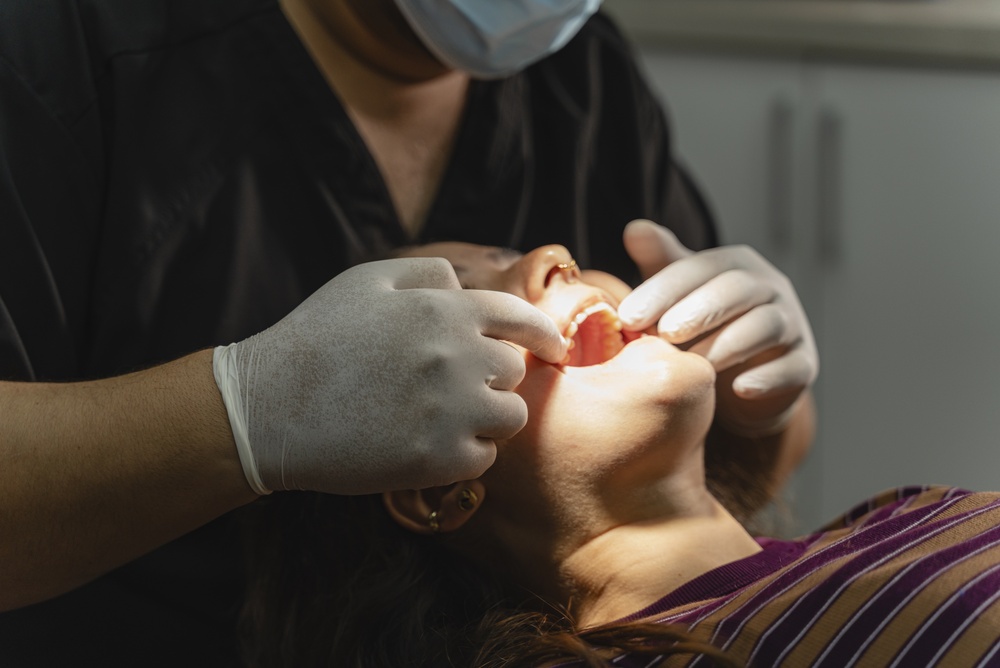
Crown replacement is a common dental procedure that involves replacing an existing dental crown with a new one. Whether your crown is damaged, worn, or no longer fitting properly, replacing it is crucial for maintaining optimal dental health. At Dr. David M. White’s practice in Reno, NV, we focus on delivering personalized care by integrating advanced implantology techniques with community-driven values.
Why Crown Replacement Matters
A dental crown serves as a protective cap for damaged or weakened teeth, helping restore function and aesthetics. When a crown is compromised, it can lead to larger dental issues, such as decay, discomfort, or even gum disease. Replacing a faulty crown not only preserves the integrity of your natural teeth but also enhances your overall oral health and confidence.
When Do You Need a Crown Replacement?
There are several signs indicating it’s time for a crown replacement. Look out for discomfort when biting, visible damage or wear, and changes in the fit of the crown. It’s also important to consider replacement if there’s visible decay beneath the crown or if its appearance doesn’t match adjacent teeth, affecting your smile’s aesthetics.
Damage or Wear
Sometimes, everyday wear-and-tear or accidental trauma can damage a crown. It’s vital to seek a replacement to prevent further complicating your dental health with decay or gum issues.
The Crown Replacement Process
Replacing a crown typically involves several stages. First, Dr. White evaluates the condition of your existing crown and the underlying tooth. Once any necessary repairs are made to the tooth, impressions are taken to create a custom-fit crown. In some cases, temporary crowns are placed until the new one is ready.
Preparation
This stage might involve removing existing decay or old filling material to prepare the tooth for the new crown. Dr. White ensures patient comfort through sedation options if needed.
Types of Crowns: Choosing the Right One
The type of crown you choose can influence the longevity and aesthetics of your dental work. From porcelain to metal and composite options, each type has its benefits and drawbacks regarding durability, appearance, and cost. The team at Dr. White’s practice helps guide patients through these choices to find the best fit for their needs and lifestyle.
Porcelain Crowns
Porcelain crowns are popular for their natural look and color-matching capabilities. Although slightly more fragile than metal crowns, they offer superior aesthetics, especially for front teeth. If you’re considering porcelain crowns for your front teeth, learn about how porcelain veneers can also enhance your smile.
Cost Considerations and Insurance
Several factors determine the cost of a crown replacement, such as the type of crown and the complexity of the procedure. Discussing your insurance coverage in advance can mitigate out-of-pocket costs. Dr. David M. White’s office can help navigate insurance reimbursements and discuss financing options tailored to your individual case.
Advanced Technology and Techniques
Our practice leverages the latest dental technology to facilitate precise crown replacements. This includes digital impressions, which replace traditional molds, and computer-aided design (CAD) for creating crowns. These advances not only quicken the process but also enhance the accuracy of fit and comfort for the patient. To learn more about similar advancements, explore the steps performed during a professional tooth cleaning procedure.
Maintaining Your New Crown
Proper maintenance can significantly extend the life of your dental crown. Regular brushing and flossing, combined with routine dental checkups, ensure your crown functions well and stays aesthetically pleasing. Avoiding hard foods and using a night guard if you grind your teeth are also recommended practices.
Frequently Asked Questions
-
How long does a crown replacement take? Depending on the individual case, it can range from one to multiple visits.
-
Can I eat normally after a crown replacement? Yes, but avoid sticky and hard foods initially and follow your dentist’s specific advice.
-
What if I have a metal allergy? Non-metal alternatives, such as porcelain or composite, are available for these situations.
-
Does crown replacement hurt? The procedure is generally painless due to local anesthesia and sedation options.
-
How long will my new crown last? With adequate care, crowns can last anywhere from 5 to 15 years or more. For more details, check out our guide on how long tooth crowns last.
Conclusion and Call to Action
Dental crown replacement is a crucial step in ensuring your long-term oral health and maintaining your beautiful smile. If you suspect your crown needs replacement, or you simply want a personalized consultation about your options, reach out to Dr. David M. White’s office today. Our team in Reno, NV, is here to provide compassionate, expert-led dental care tailored to your unique needs.