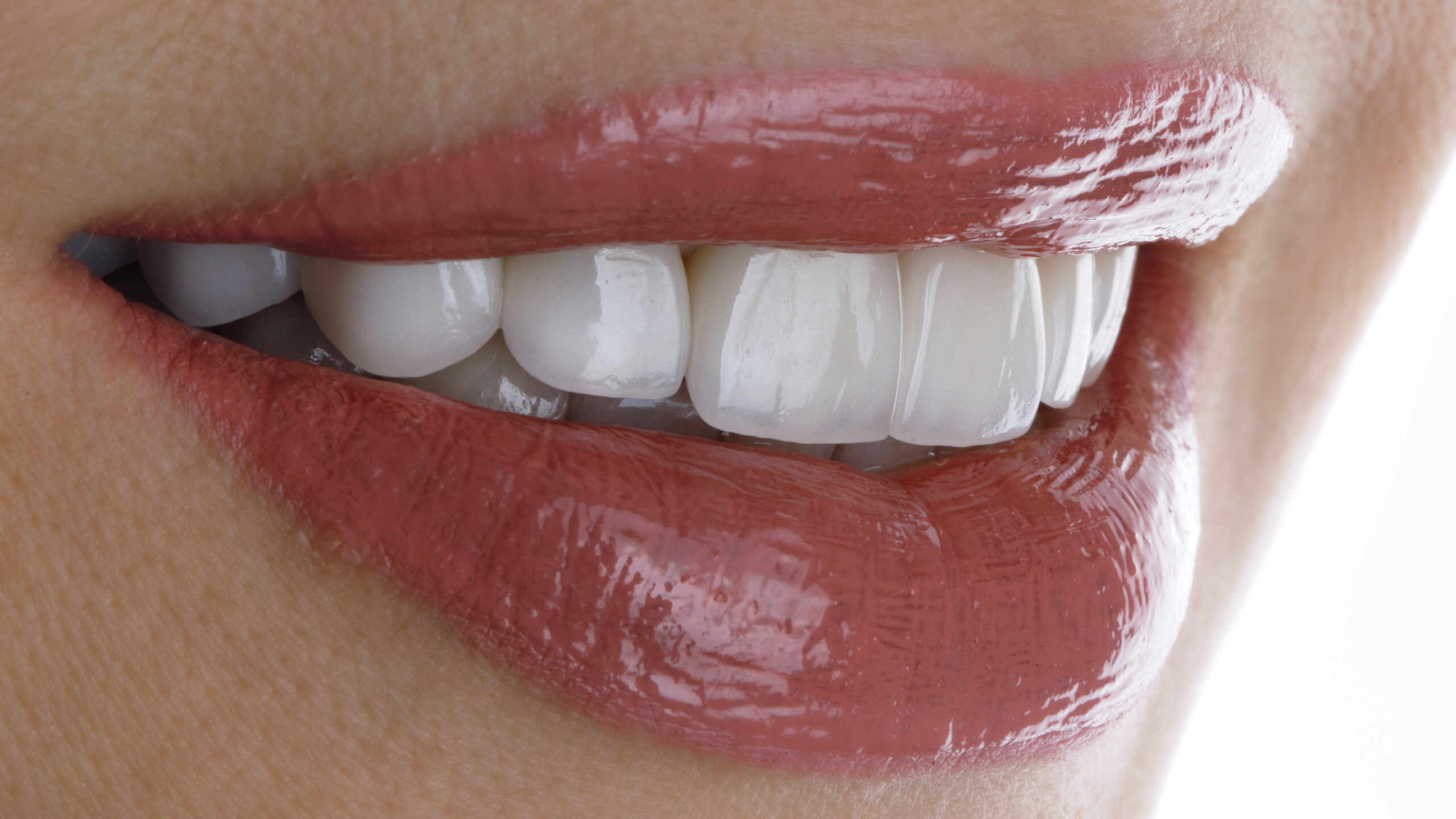
Both porcelain veneers and Lumineers are thin shells bonded to the front of your teeth to correct staining, chips, or gaps. The main difference is thickness and preparation: traditional porcelain veneers require removing a small amount of tooth enamel, making the procedure irreversible, while Lumineers are ultra-thin, about the thickness of a contact lens, and typically don’t require removing tooth structure, making them a less invasive, potentially reversible option. Which one is right for you depends on your teeth, your goals, and how much change you want.
What Are Porcelain Veneers?
Porcelain veneers are custom-made shells bonded to the front surface of your teeth to improve their color, shape, or alignment. Before placement, your dentist removes a small amount of enamel so the veneer sits flush and looks natural. Because that enamel doesn’t grow back, the procedure is considered irreversible. In exchange, porcelain veneers closely mimic the way natural teeth reflect light and can last for years with proper care.
What Are Lumineers?
Lumineers are a thinner alternative to traditional veneers, roughly the thickness of a contact lens. Because they’re so thin, Lumineers typically don’t require removing or grinding down your natural tooth structure, which makes the process less invasive and, in many cases, reversible if you later decide against them.
What’s the Real Difference Between Veneers and Lumineers?
The core difference comes down to preparation and thickness. Traditional porcelain veneers involve reducing a small amount of enamel to fit the shell properly, which is a permanent change to the tooth. Lumineers skip that reduction step because they’re thin enough to bond directly over the existing tooth surface. Patients who are hesitant about permanently altering their natural teeth often lean toward Lumineers for that reason, while patients seeking a more traditional, highly customizable result may prefer porcelain veneers.
Am I a Candidate for Veneers or Lumineers?
Good candidates for either option generally have stained, chipped, or gapped teeth they’d like to improve cosmetically. Good oral health is a prerequisite for both: your gums need to be healthy, and your teeth should be free of periodontal disease or untreated decay before treatment begins. A consultation is the best way to find out which option, or whether a different cosmetic dentistry treatment altogether, is the right fit for your smile.
Frequently Asked Questions
Are Lumineers reversible?
In many cases, yes, because they typically don’t require removing tooth enamel. Traditional porcelain veneers, on the other hand, are considered irreversible since a small amount of enamel is removed to fit them properly.
Do Lumineers look as natural as porcelain veneers?
Both options are designed to look natural, but the best-looking result depends on your individual teeth, the skill of your dentist, and how the shells are matched to your smile. Your dentist can help you decide which material will give you the most natural-looking outcome for your case.
How long do veneers and Lumineers last?
Both are designed to be long-term cosmetic solutions and can last for years with good oral hygiene and regular dental visits, though individual results vary based on care and habits like teeth grinding.
Can I get veneers or Lumineers if I have gum disease?
Not right away. Good oral health, including healthy gums and no active periodontal disease or decay, is a prerequisite for either treatment. Your dentist will need to address any underlying issues first.
Which option is better for correcting gaps and chips?
Both can address gaps, chips, and staining effectively. Porcelain veneers offer more flexibility for significant shape changes since they’re custom-fit after enamel is prepared, while Lumineers work well for patients seeking a similar improvement with less alteration to the natural tooth.
Ready to Compare Your Options?
The right choice between porcelain veneers and Lumineers depends on your teeth and your goals. Contact David M. White, DDS in Reno, NV to schedule a consultation, or learn more about our full range of cosmetic dentistry services.