You’re flossing one night, and the floss snags on the edge of your crown, or you notice a thin dark line along the gum that wasn’t there a few years ago. Those small changes are often the first hint that replacing a crown is on the horizon. Crowns are strong, but they don’t last forever, and catching the signs early protects the tooth underneath.
At David M. White, DDS, in Reno, NV, we help patients figure out when a crown needs attention and walk them through a simple, comfortable replacement.
What Dental Crowns Do for Your Teeth
A crown, sometimes called a cap, fits over a tooth to restore its shape, strength, and look. Crowns protect teeth after root canal treatments, hold cracked or broken teeth together, and sit on top of dental implants. They can be made from ceramic, porcelain, metal, or a combination, depending on where the tooth is and how much chewing force it handles.
Signs You Need to Replace a Crown
Even a well-made crown wears down after years of chewing. Here are some of the signs that yours may need a closer look:
-
A chip, crack, or worn spot you can see or feel with your tongue.
-
Pain, sensitivity, or pressure when you bite down on that tooth.
-
Gums that are sore, swollen, or pulling back around the crown.
-
A dark line at the gumline or a crown that no longer matches your other teeth.
-
A crown that feels loose, or food that keeps catching around its edge.
Any of these can mean the seal between the crown and tooth is breaking down, which lets bacteria in. Regular checkups help us spot those changes before they turn into decay.
What a New Crown Can Do for You
A new crown seals the tooth again, which helps prevent decay from forming underneath. It can also match the color of your other teeth better than an older crown, especially if you’ve whitened since your last one. And because it’s shaped to your current bite, it usually feels more comfortable when you chew.
How the Replacement Process Works
Replacing a crown usually takes two visits at our Reno, NV practice. We’ll check the old crown and the tooth beneath it, talk through your options, then carefully remove the old crown, clean and reshape the tooth, and fit a new one.
Your First Visit and Evaluation
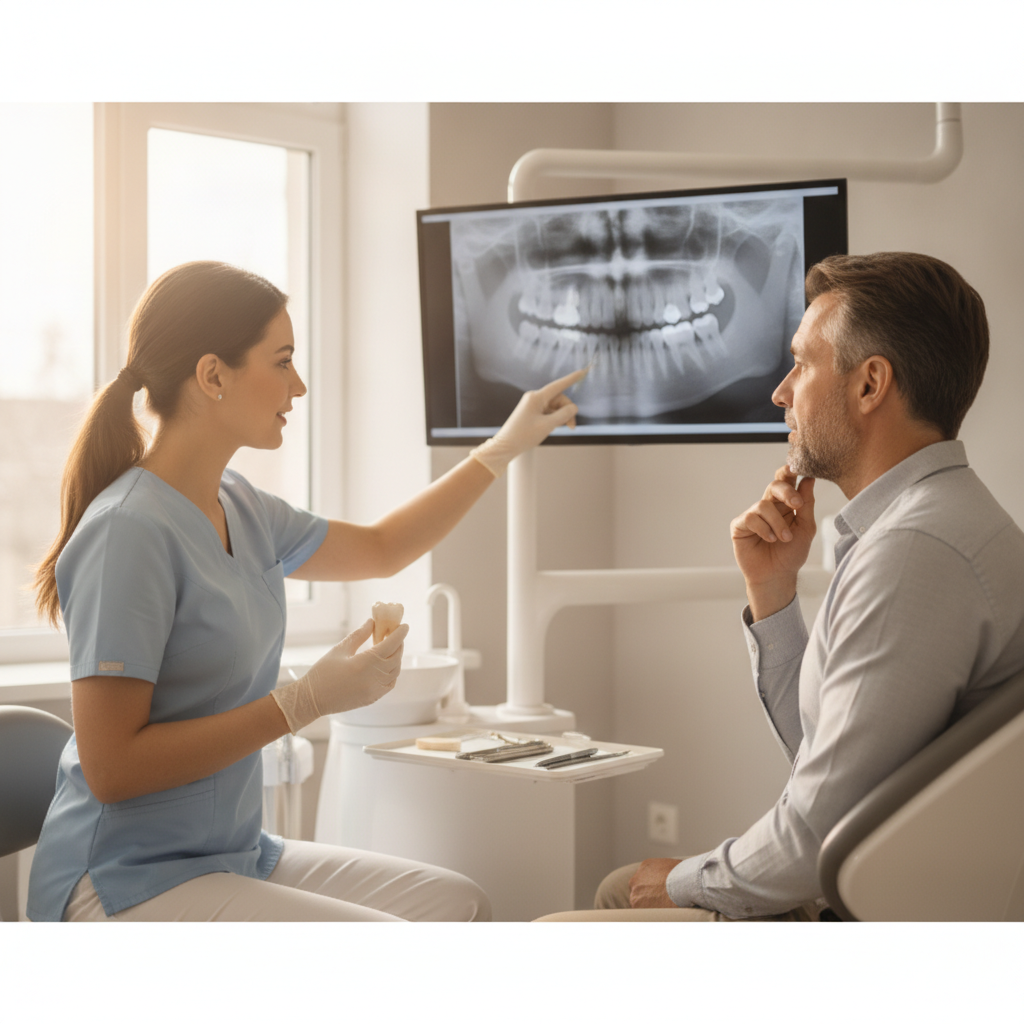
We start by listening. Tell us what you’ve noticed, whether it’s a sharp edge, sensitivity, or just a crown that looks off. Then the team at David M. White, DDS, will examine the tooth and take digital X-rays to see whether there’s any decay or damage under the crown.
Building Your Treatment Plan
Next, we’ll go over what we found and recommend the right material for that spot in your mouth. If the tooth underneath needs extra care, like a filling or a root canal, we’ll explain that too, so there are no surprises.
Choosing the Right Material for Your New Crown
Porcelain and ceramic crowns look the most natural, making them a good fit for front teeth. Metal crowns, or porcelain fused to metal, are very durable and work well on back teeth that do most of the chewing. We’ll talk through cost and appearance with you so you can choose what fits your needs and budget.
When a Tooth Can’t Support a New Crown
Sometimes, when an old crown comes off, the tooth underneath is too broken or decayed to hold a new one. If that happens, we’ll talk with you about replacing the tooth instead. A dental implant topped with a crown is a long-lasting option that doesn’t rely on neighboring teeth for support.
David M. White, DDS, has spent nearly two decades caring for patients in northern Nevada, and our experience in implantology means we can handle the whole process, from removing a failing tooth to restoring it with an implant crown.
FAQs About Replacing a Crown
How long does a dental crown last?
Most crowns last 5 to 15 years, depending on the material, your oral hygiene, and habits like grinding.
How do I know if my crown needs replacing?
Watch for pain, sensitivity, visible damage, or gum changes around the crown, and let your dentist check it.
What should I expect after replacement?
Some mild sensitivity is common for a few days and usually fades as your tooth settles.
Is replacing a crown painful?
The area is numbed, so most people feel only pressure. Oral sedation and nitrous oxide are available if you’re anxious.
Keeping Your Smile Strong for Years to Come
A crown that’s past its prime can quietly put the tooth beneath it at risk, but a timely replacement brings back comfort and confidence. If something feels off, schedule a visit with David M. White, DDS, in Reno, NV, for a gentle, thorough dental experience and honest advice about replacing a crown.